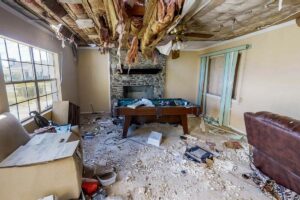
The call comes at 2 am. Your downstairs neighbor is pounding on the door because water’s pouring through their ceiling. Or you wake up choking on smoke, stumble toward the kitchen, and find flames crawling up the wall behind your stove.
Nobody rehearses for these moments. You don’t have a disaster playbook sitting on your nightstand. But suddenly you’re supposed to know exactly what to do—who to call first, what your insurance needs, how to keep things from getting worse.
Here’s what actually happens during insurance restoration, explained by people who’ve done this a few hundred times. Core Contractors LLC has guided Seattle and Everett homeowners through everything from burst pipes to kitchen fires, and the process follows patterns you can understand and navigate.
Let’s walk through it.
Why Professional Help Changes Everything
Fire and water damage restoration involves far more than mopping up and replacing burned drywall. You’re dealing with insurance adjusters who assess damage for a living, building codes that changed since your house was built, and decisions that affect whether you’re made whole or left paying out of pocket.
The Federal Emergency Management Agency tracks disaster recovery outcomes nationwide. Their data shows what contractors see constantly: homeowners working with experienced restoration professionals file cleaner claims, encounter fewer disputes, and finish faster.
What going solo typically costs:
| The Shortcut | What Happens Next | The Real Price |
| Renting a shop-vac instead of calling professionals | Water remains trapped in drywall, insulation, and subfloors | Moisture spreads silently, increasing the risk of mold growth and long-term structural damage depending on exposure time and affected materials |
| Not documenting hidden damage | Insurance estimates only reflect what’s visible | You may pay out-of-pocket later because claim approval depends on evidence, inspection notes, and proper documentation |
| Hiring the cheapest unlicensed contractor | Work fails inspection—or the contractor disappears mid-job | You risk paying twice due to poor workmanship, code violations, and the need for certified repairs later |
| Assuming your policy covers everything | You discover exclusions after the work begins | Unexpected expenses can hit due to deductibles, exclusions, coverage limits, and required code upgrades |
Immediate Response and Safety
The first three hours after discovering damage determine whether the situation stabilizes or spirals into something worse.
Stop the bleeding:
- Water still flowing? Kill the main shutoff valve
- Electrical panels or outlets getting wet? Cut power to those circuits
- Smell gas? Get out, call 911 from outside, don’t flip any switches
- Roof damaged? Tarps prevent the weather from destroying more rooms
.
Protect yourself from hidden dangers:
Fire weakens things you can’t see. That ceiling might collapse. Those stairs might give out. Smoke residue contains chemicals that burn your lungs with every breath. Standing water might be energized from damaged wiring. Sewage backups carry diseases.
Don’t try to salvage stuff if it means risking injury. Things can be replaced. You can’t.
Document what you can safely access:
Your phone camera works fine. Shoot wide angles showing overall damage, then close-ups of specific problems. The goal isn’t professional photography—it’s proving what existed before cleanup crews remove evidence.
Emergency restoration services do critical work that most people don’t think about:
- Industrial water extraction before moisture spreads to dry areas
- Commercial dehumidifiers running 24/7 to prevent mold
- Board-ups and tarps protecting against weather and theft
- Air scrubbers remove dangerous particles after fires
- Property securing so that insurance requirements are satisfied
Most policies actually require you to prevent additional damage. If you don’t and losses worsen, insurers can deny coverage for what happens after the initial event.
Contact Your Insurance Immediately
Call your insurance company right now. Not tomorrow morning when you’re “more organized.” Not after you’ve “cleaned up a bit to see how bad it really is.” Now.
Your first conversation should hit these points:
“I’m calling to report damage at [your address]. [Brief description of what happened]. Here’s what I’m seeing. I need a claim number and adjuster assignment.”
Write down everything they tell you. That claim number becomes your reference for every email, call, and document moving forward.
Questions worth asking upfront:
- What documentation do you specifically need from me?
- Can I authorize emergency repairs without pre-approval?
- When should I expect an adjuster to contact me?
- Does my policy cover temporary housing while repairs happen?
- What’s my deductible for this type of loss?
Real talk about timing: Your policy probably includes language about “prompt” loss notification. Insurance companies consider 24-48 hours reasonable. A week starts raising eyebrows. Two weeks can tank your claim before it starts.
Document Everything Thoroughly
Before cleanup begins, before repairs start, before damaged materials get hauled away—document comprehensively.
Why this matters: Once evidence leaves your property, it’s gone. Adjusters won’t approve any damage claims they can’t confirm actually happened.
Essential documentation:
- Photos and videos from every possible angle—shots of the whole room so they get the full picture, then close-ups that show the specific problems
- Detailed lists of what got damaged, how old each item was, and what you paid for them
- Every single receipt for hotels, emergency fixes, eating out, new clothes—basically anything you had to spend money on because of this mess
- Notes about when everything happened and everyone you talked to
Home restoration contractors provide professional documentation, expertise, and experience. They understand what measurements insurance companies need, what hidden damage to look for, and what photos to avoid to avoid disputes months down the road.
The Insurance Adjuster Process
Adjusters represent insurance companies, not property owners. This knowledge changes how you approach interactions.
What happens during their visit:
They’ll inspect all the damage, take measurements and pictures, ask questions about how it occurred, and check their observations against your policy’s terms. Then they write an estimate determining what the insurance company will pay.
Here’s the thing: Homeowners see surface damage. Professionals see what’s hidden.
You notice water-stained drywall. Contractors recognize that moisture has saturated the wall cavity behind it, requiring removal and drying to prevent mold.
You see fire damage in one room. Experienced crews know that smoke and heat can travel through vents into other areas, causing damage you won’t notice for weeks.
The National Association of Insurance Commissioners reports that initial adjuster estimates miss significant damage in about 40% of major claims. Having your contractor present during inspections catches these gaps while they’re still fixable through negotiation.
Scope of Work and Estimates
The adjuster’s estimate determines your property insurance claim payout. If it’s incomplete, you’ll discover shortfalls when bills come due.
What comprehensive scopes should detail:
| Repair Stage | Should Include | Red Flag If Missing |
| Mitigation | Equipment used, daily drying rates, affected square footage, monitoring plan | A vague “emergency services” line item with no scope |
| Water Extraction & Drying | Number of dehumidifiers/air movers, equipment placement plan, moisture testing schedule | One lump-sum charge with no breakdown or moisture logs |
| Demolition | Materials being removed (drywall, flooring, insulation, cabinets), labor hours, hauling/disposal costs | Generic “demo allowance” without details |
| Smoke & Soot Cleanup | Surface preparation steps, specialty chemicals, HEPA filtration, deodorization/odor sealing | Missing entirely or labeled as “misc cleaning” |
| Reconstruction | Material quality matching pre-loss condition, local labor rates, permits, finishing details | “Builder grade” replacements when higher-end materials existed |
Your contractor reviews estimates against actual needs. Discrepancies get negotiated now, not after you’ve spent the money.
Mitigation and Cleanup
This phase transforms your home from a disaster zone to a reconstruction-ready home.
Water damage work:
Professional water extraction and drying means industrial equipment running continuously for days. Truck-mounted extractors pull thousands of gallons. Commercial dehumidifiers and air movers drive moisture from structural materials. Moisture meters confirm complete drying before any rebuilding starts.
The EPA’s mold guidelines are explicit: dry materials within 48 hours or expect mold. Box fans and open windows don’t accomplish this.
Fire damage work:
Smoke and soot cleanup requires specialty training. Soot acids continue to etch surfaces days after a fire ends. Smoke odor penetrates everything porous. Regular cleaning makes things look better while leaving contamination embedded deep.
Professional methods include chemical sponges that lift without spreading, HEPA scrubbers that remove airborne particles, thermal fogging that neutralizes odor molecules, and, sometimes, complete removal of materials damaged beyond cleaning.
Rebuild After Fire or Flood
Once your property is stabilized and cleaned, actual reconstruction begins.
The sequence that makes sense:
- Structural first: Fix framing, joists, load-bearing walls—anything keeping your house standing
- Systems next: Plumbing, electrical, HVAC installed and inspected before walls close
- Insulation and barriers: Proper R-values and vapor barriers where codes require
- Drywall and finishing: Walls smooth and ready for paint
- Flooring: Whatever matches original specs or chosen upgrades
- Final touches: Trim, paint, fixtures, hardware
HUD construction standards require compliance with current codes, even when repairing old work. Your 1987 electrical panel? The replacement must meet today’s requirements. These mandatory upgrades sometimes exceed initial estimates—experienced contractors identify them during scoping, not mid-construction.
How Insurance Actually Pays
Most policies pay “replacement cost,” but disbursements happen in stages.
The depreciation structure:
The initial payment covers Actual Cash Value—what your damaged stuff was worth, taking age and wear into account. For a 12-year-old roof needing replacement, you might receive 50% of the replacement cost initially.
After repairs are complete and you submit contractor invoices, insurers release the depreciation holdback.
For example, if an older roof needs replacement, the insurance company may initially issue only a portion of the total replacement value.
Your contractor coordinates payment timing with insurance schedules, preventing work stoppages while waiting for bureaucracy.
Pro Tips for Smoother Restoration
- Stay obsessively organized: One folder for everything—photos, receipts, emails, phone notes. Disorganization bleeds money during claims.
- Ask until you understand: Policy language seems deliberately confusing because it is. Keep asking for plain explanations until things make sense.
- Document progress continuously: Weekly photos. Saved invoices. Conversation notes. When disputes surface months later, documentation wins.
- Read your actual policy: The real contract, not marketing materials. Know your limits, exclusions, and special conditions.
- Communicate proactively: Don’t wait for callbacks. Check in regularly. Small questions become big problems when ignored.
Bringing Your Home Back to Life
Insurance restoration has its own rhythm, but dealing with it when you’re stressed out and living somewhere else? That’s incredibly tough.
What separates quick fixes from drawn-out disasters usually boils down to having the right people on your side. Good contractors know how insurers think, keep detailed records, and do quality work that keeps everyone happy.
Core Contractors LLC has spent over 15 years helping families in Seattle, Everett, and Western Washington, offering professional fire and water damage restoration. We work directly with adjusters, manage all the paperwork to avoid headaches, and restore homes the right way.
We handle everything from that first panicked call to your final inspection, taking care of the complicated stuff while you focus on moving forward.
Dealing with fire or water damage? Contact us at 425-539-3307 for restoration that works.