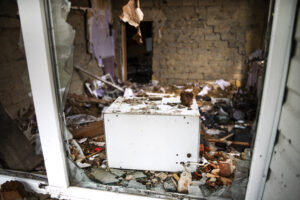
Experiencing damage to your home—whether from water intrusion, fire, or something covered by insurance—isn’t something you plan for. But when it happens, you need solid guidance, someone you can trust, and a partner who actually understands what you’re going through. That’s where choosing the right insurance restoration contractor really matters.
The right insurance restoration experts can make all the difference. With clear communication, genuine experience, and a straightforward process, you’re looking at a smooth recovery instead of total chaos. We’ll walk through navigating an insurance-related restoration project from start to finish, and show how a firm like Core Contractors LLC handles each step.
Immediate Damage Assessment
When damage hits—burst pipe, flood, fire—those first few hours are absolutely critical. Getting a fast and thorough assessment sets everything up for success, and it’s one of those steps that separates real insurance restoration experts from the rest.
Why early assessment matters:
- Determines full damage extent (structural issues, hidden moisture, electrical hazards) and stops things from getting worse
- Provides the documentation insurers actually require for validating your claim
- Let the insurance restoration contractor plan work accurately, which means fewer surprises and budget problems later.
Key actions in this phase:
| Step | What it Involves | Why it’s Important |
| Visual Inspection | Walk-through identifying obvious damage to walls, floors, roof, plumbing, wiring | Catches immediate risks and starts documentation |
| Moisture/Fire Impact Scan | Using thermal imaging, moisture meters, checking scorched materials | Finds hidden problems that’ll get worse if ignored |
| Photo & Video Documentation | High-resolution photos and videos of everything damaged | Evidence for insurance and contractor planning |
| Temporary Mitigation | Tarping, board-up, water extraction, drying, smoke deodorizing | Protects your house, stops further damage, cuts costs |
Best practice tip: Make sure your contractor prepares a damage assessment summary within 24 hours. It should detail what they found, what got stabilized, and what needs full repair. That document becomes the foundation of your claim and guides everything else.
Filing and Managing the Insurance Claim
Once the assessment’s finished, you’re dealing with the insurance claim. Homeowners get stuck here all the time—buried in paperwork, adjuster meetings, endless negotiations. A skilled water damage restoration or fire damage restoration contractor changes everything.
How claim management actually works:
- Review policy coverage:
Figure out what your homeowner’s or commercial policy actually covers—water, flood, fire, smoke, structural collapse.
- Prepare scope & estimate:
Yourinsurance restoration contractor will create a detailed scope of work and cost estimate that aligns with insurers’ expectations.
- Submit documentation:
Photos, videos, mitigation reports, scope details, and cost breakdowns to your insurer or adjuster.
- Negotiate:
Adjusters will push back or contest parts of your scope—your contractor steps in as your advocate, explaining damage and repairs needed.
- Track approval & release:
Once the insurer agrees to funding or approves a contractor, you’re moving forward with full restoration.
Why does experience matter in a contractor?
They already know insurers’ required formats and common negotiation tactics. They’ll recommend mitigation steps to protect your liability while preserving recoverable costs. They take the burden off you so you can focus on actually living instead of drowning in logistics.
Defining Project Scope and Contract Negotiation
Assessment done, claim moving—now you’re defining the actual repair and restoration work. This phase locks in expectations, contract terms, and timelines. Getting your project scope right prevents surprises, delays, and arguments later.
Key scope elements:
- What gets restored or replaced: walls, flooring, ceilings, roofs, cabinets, finishes
- What quality or finish level are you expecting: specific material grades, brands, finishes spelt out clearly
- Who handles what: contractor tasks versus subcontractor work versus your choices
- Timeline & milestones: start date, checkpoints (demo done, rough-in complete), expected completion
- Change-order policy: how additional work gets handled, approval process, cost implications
Contract negotiation tips:
- Confirm licensing:
Core Contractors lists our contractor’s license and mentions over 40 years of industry experience.
- Understand payment schedule:
Big restoration jobs usually tie payments to milestones—such as demo complete, approvals received, and final inspection passed.
- Clarify what happens if insurance funds get delayed or denied.
- Get a warranty or workmanship guarantee:
Goodinsurance restoration contractors are committed to quality and follow-up.
| Scope Element | Risk If Not Defined | How to Mitigate |
| Material Grade & Brand | Substandard finish, expectations don’t match reality | Specify exact brand/model or include an “equal quality” clause |
| Demolition & Debris Removal | Hidden costs pop up or delays happen | Include demo and cleanup in scope with detailed line items |
| Permit & Inspections | Occupancy or approval gets delayed | Confirm who handles permits and what’s covered |
| Structural Repairs | Unsafe or code-violating work | Require licensed structural work and engineer sign-off when needed |
Align on scope and contract terms early. You’ll enter the restoration phase with clarity, not confusion, and way less risk.
Selecting Qualified Contractors and Subcontractors
Your main contractor likely outsources parts of the work to subs. But you’re still responsible for making sure they’re qualified and that the lead insurance restoration experts keep everything coordinated. This really matters when you’re choosing a restoration contractor after major damage.
What to check in contractor credentials:
- Licenses, insurance (liability and workers’ comp)
- Real experience with your specific damage type (water, fire, flood)
- References and completed restoration portfolio
- Ability to coordinate multiple trades: demo, mitigation, structural work, finishing
- Communication systems: regular updates, single point of contact
Reconstruction and Restoration Process
Scope and contracts locked in—now you’re in the active phase. Rebuild, restore, bring your property back. Whether it’sfire damage restoration or water damage restoration, this phase is where real transformation happens.
Typical reconstruction phases:
Demolition & removal:
Clearing damaged drywall, flooring, roofing, and mold-infested materials
Structural repairs:
Trusses, joists, framing, foundation or roof fixes when needed
Rough-ins & utilities:
Plumbing, electrical, HVAC changes supporting new layout or restoration
Drywall, insulation, sealing:
Reinstalling walls, proper vapor barriers, and a solid building envelope
Finish work:
Flooring, cabinets, tile, countertops, trim, paint
Final cleaning & move-in prep:
Professional cleaning, finishing touches, and punch-list completion
Quality-control considerations:
Materials used need to meet current building codes and get insurer approval (especially for fire or flood restoration). Track milestones—use checklists like “drywall up,” “flooring in,” “fixtures installed,” and “final trim done” to monitor progress. Keep communication open—quality contractors give weekly updates or dashboard access.
Companies like Core Contractors handle this entire process under one roof, from initial mitigation through full home restoration, so you’re not juggling multiple firms.
Inspections and Final Approvals
The project’s almost done. Final inspections and approvals make sure everything matches the agreed scope, meets building codes, and leaves you satisfied.
Final phase expectations:
Building-code inspections:
Structural, electrical, or plumbing work needs a local inspector’s sign-off
Insurance sign-off:
If your insurer funded this, they’ll want final receipts or confirmation that work was completed as agreed
Punch-list walkthrough:
The contractor walks you through identifying any remaining items needing attention
Warranty & documentation delivery:
You get warranties (materials and workmanship) plus documentation of all completed work.
Why this phase matters:
Without inspection and compliance sign-off, you’re risking code violations or future problems (like structural repairs that never got approved). Final approval releases any remaining insurance funding or payment. A thorough walkthrough with your contractor protects you from hidden defects and gives genuine peace of mind.
Handle this phase properly, and it becomes the satisfying conclusion of your restoration journey—not some last-minute scramble.
Final Takeaway
Recovering your home after damage goes beyond repairing walls or replacing floors—it’s about getting your peace of mind back. With the right process—damage assessment through insurance claim help, contract negotiation, choosing the right insurance restoration contractor, full reconstruction, and final inspections—you navigate this journey confidently instead of stressfully.
Western Washington property owners looking for a trusted partner should know that Core Contractors LLC brings over 40 years of experience, a proven system for insurance-related restoration, and a genuine commitment to client satisfaction. Facing water, flood, fire or structural damage and need a dependable insurance restoration contractor? Reach out and let our team handle the heavy lifting while you focus on what actually matters—getting life back to normal.
Ready to start? Contact Core Contractors LLC today for a free consultation and see how our expert team guides you through your restoration journey.